


Why Winter Is the Best Time to Plant Trees in Ballarat

Most people wait until spring to plant trees. I get it. The days are warming up, things are growing, the garden looks like it’s ready to be added to. But if you're looking to plant trees in Ballarat, that instinct is working against you. Winter is when you should be planting, and once you understand what’s happening below the ground during these colder months, you’ll see why.
Winter planting gives trees a better start
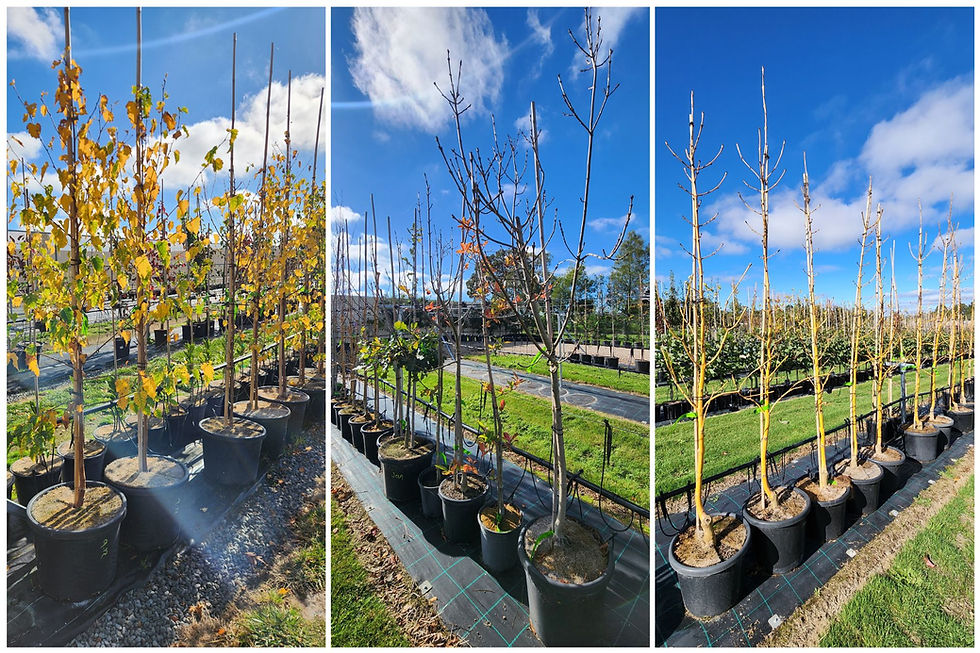
When a deciduous tree drops its leaves in Autumn, it’s not dying. It’s just taking a break. Growth stops above ground, the tree pulls its energy inward, and it sits in dormancy until conditions shift again in spring.
That dormancy is your window.
A tree planted in Winter isn’t trying to push new leaves, sustain a canopy, or manage heat stress It is just putting all of its energy into root development, and it is those early roots that help the tree anchor, take up moisture, and prepare for strong growth once Spring arrives. Roots, grown in cool moist soil before the pressure of Spring kicks in, are what determine how well that tree performs for the next twenty years. I’ve seen it play out enough times to say that with confidence.
Plant the same tree in October and it’s doing two jobs at once: establishing roots and shooting new growth. Multitasking has its place, but this is not one of those places. The stress load is higher, the establishment period is longer. Winter planting gives trees a much calmer and more forgiving start.
Ballarat’s Winter Soil Is Actually on Your Side
After the dryness of Summer and early Autumn, Winter gives the ground a chance to recharge. Soil that’s consistently moist (not waterlogged, but reliably damp) is exactly what a newly planted root system needs to expand and anchor.
A lot of Ballarat has heavier clay-based soils. In summer those soils bake hard and repel water rather than absorbing it. In winter, they stay workable. Roots can move through them more easily. You’re not fighting the ground.
The one thing I’d always check before planting is drainage. If water pools in a spot after heavy rain, a tree is going to struggle there. Dig a test hole, fill it with water, and watch how fast it drains. Disappears steadily? You’re fine. Sits there for hours? That spot needs more preparation, or a different species altogether.
For more detail on getting the planting hole right and preparing your soil, our Planting and Care Guide is worth a read before you start.

Frost Isn’t the Enemy You Think It Is
This is the one I hear most often. People worry about planting through a Ballarat winter because of frost, and look, it’s a fair concern. We average around 60 frost days a year and temperatures drop hard between June and August. But for most of the deciduous trees we stock, frost during dormancy is not a problem. There are no soft new leaves to protect. The tree isn’t actively trying to grow.
It’s also worth knowing that our trees are grown right here on the property in Ballarat conditions. They’re not coming from a warmer climate and being expected to adapt overnight. They know what cold feels like.
The period worth watching is actually Spring, when new growth appears and a cheeky late frost hits. That’s manageable, but it’s worth being aware of. For container-grown trees (which is how we grow everything here), the root ball goes into the ground intact. By the time the tree breaks dormancy and starts putting on growth, it already has a functional root system to draw from.
For frost-sensitive species, timing and position are still important. If you are not sure whether a particular tree is suitable for your garden, that is exactly the sort of thing we can talk through during a nursery visit.

Less Watering, Better Roots
Another big benefit of Winter planting is that mother nature does a lot of the watering for you. Which is not only handy it's actually better for root development.
Tree roots follow moisture. Consistent natural rainfall encourages them to spread wide and deep in search of it. Regular hand-watering from above tends to concentrate roots near the surface, which is the last place you want them heading into a Ballarat summer.
By the time warmer weather arrives, a tree planted in Winter has usually had several months to settle in and begin developing a stronger root system. Compare that with a tree planted in late Spring, which may only have a few weeks before hot, dry weather begins putting pressure on it. That difference shows up fast, and I’ve seen it cost people trees.
Watering still matters once conditions dry out, especially through the first one or two summers while the tree is establishing. For a full breakdown of how to water at each stage, head to the watering section of our Planting and Care Guide.

What I’d Suggest Planting This Winter
Winter is one of the best times to get deciduous trees in the ground. Some of my favourites for Ballarat gardens are oak, elm, liquidambar, birch, and maples, along with a wide range of ornamental deciduous trees we’ve selected specifically for local conditions. These trees are great for shade, structure, seasonal colour, driveway planting, feature areas, and long-term garden impact.
We also have a small range of advanced fruit trees that are ideally planted right now.
If you’re after evergreen options, we have a strong selection of those too: cypress, magnolia, olive, photinia, pittosporum, and bay trees are all popular for year-round structure and screening.
The right tree really does depend on your soil, your aspect, and what you’re trying to achieve. Shade, screening, seasonal colour, privacy, a feature tree. These aren’t the same brief, and the answer changes depending on which one you’re solving for. That’s the conversation I’d rather have with you before you buy, not after.

Get the Right Advice Before You Plant
The most common mistake I see is someone choosing a tree based on how it looks in the pot. A tree can be beautiful and still be completely wrong for a space. Too large, wrong soil tolerance, too exposed, too close to a fence or a structure. It’s an expensive lesson.
Our nursery visits are by appointment so we can give you proper one-on-one time. Our qualified horticulturalists can walk you through the options, explain how each tree grows, and help you make a confident call for your specific space. That’s not something you get pulling a tree off a shelf somewhere and hoping for the best.
We would much rather help you choose right from the beginning than see you spend money on something that struggles because it wasn’t suited to the spot.

Ready to Plant Trees in Ballarat This Winter?
If you are planning to add trees to your garden, driveway, paddock, boundary, or feature area, Winter is the ideal time to get started. You can view our current range of trees and plants online here
If you would like to learn more you can also read our full Planting & Care Guide before you get started, or come out and see us. We have various types of appointments available to give you the time and information you need to make your garden a success.
Nursery Tour Short (30 min): You know what you are after and just want to grab it and go.
Nursery Tour Normal (1 hr): A proper look around with the team, great if you're buying a few things, compare options or want some advice.
Nursery Tour Extended (1.5 hrs): Best for larger garden projects, screening plans, or more detailed consultation. Bring your questions, your plans, and your phone full of garden photos.
Pickup an Existing Order (15 min): Already ordered online? Book this and we will have it ready and waiting.
Book a time to come and wander the rows with us at ballaratnursery.com/book-online. Winter won’t last forever, and neither will the trees we have got ready to go right now.


Comments